
🔧 What Is a Rotary Joint / Rotary Union?
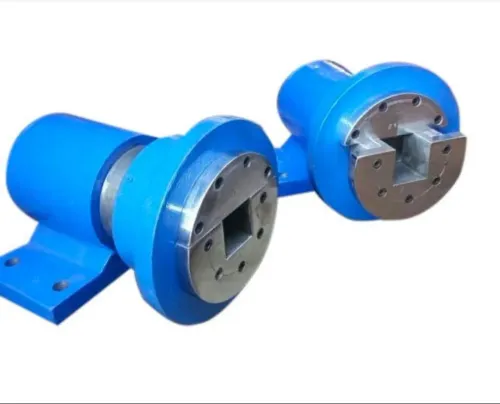
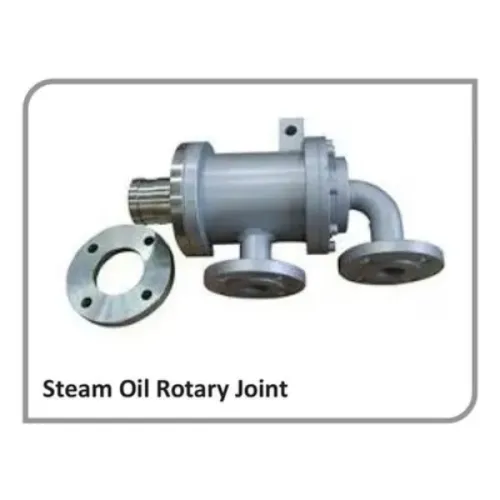
A rotary joint (often synonymous with rotary union) is a mechanical sealing device that allows fluid or gas to transfer from a stationary source into a rotating part of machinery (e.g., drum, cylinder, spindle) without leakage while the part rotates continuously or intermittently.
They are used across many industries: textile, paper, packaging, printing, plastics, steel processing, hydraulic systems, and more. 🧩 Core Components of a Rotary Joint
A typical rotary joint is made up of these primary parts:
📌 1. Stationary Housing
- Fixed to the machine frame or fluid supply side.
- Contains inlet/outlet ports.
📌 2. Rotating Shaft
- Connected to the rotating machine part.
- Carries fluid through internal channels
📌 3. Seals
- Critical for preventing fluid leakage between stationary and rotating parts.
- May use mechanical seals (carbon, ceramic, SiC), elastomer O-rings, or balanced seal designs depending on pressure and temperature.
📌 4. Bearings
- Support rotational movement.
- Types include ball bearings, roller bearings, bronze bearings, or graphite bearings.
📌 5. Retaining Rings / Springs
- Help maintain seal contact force and keep components aligned.
⚙️ How They Work
- Fluid enters from the stationary pipe into the housing.
- The shaft rotates with the machine while fluid flows through internal channels.
- Seals prevent leakage at the rotating interface.
- Fluid exits into the rotating part of the machine.
This allows continuous fluid transfer even as the machinery rotates.
Keywords